80's Clothes Style for Guys: The Complete Guide to Dressing Like the Decade That Refused to Be Quiet

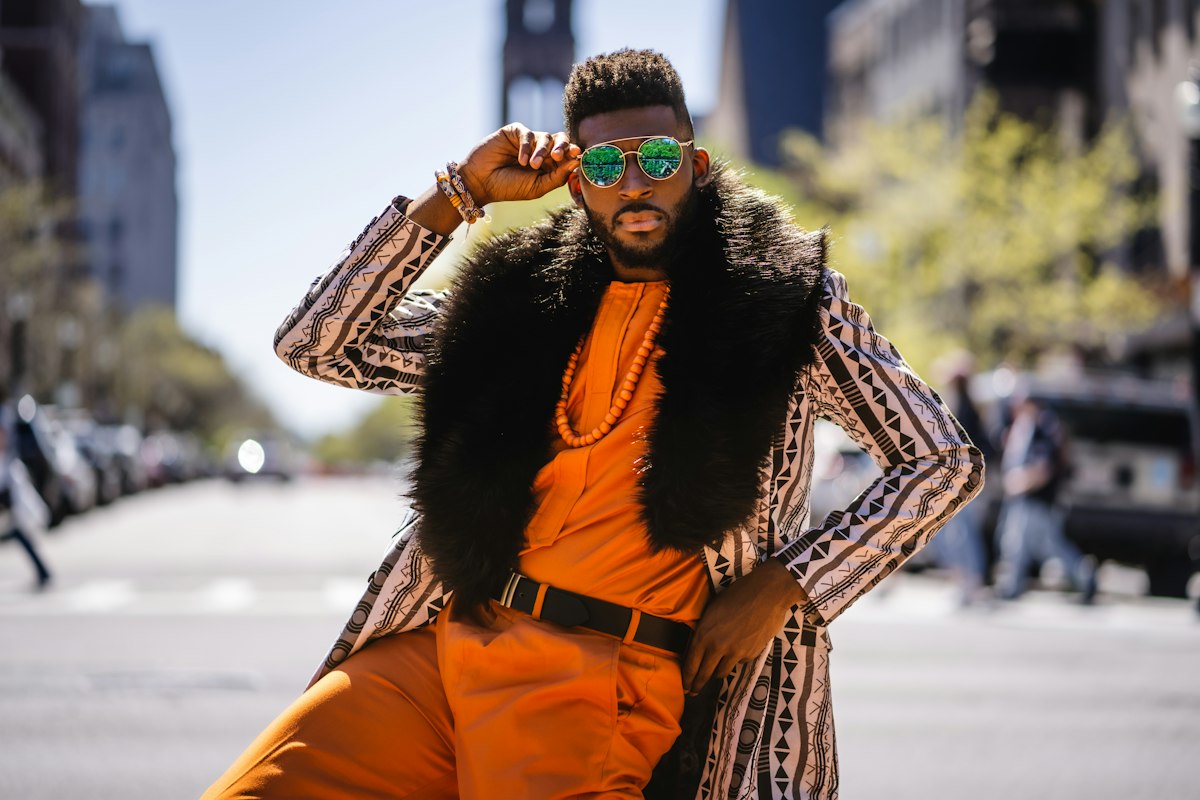
80's Clothes Style for Guys: The Complete Guide to Dressing Like the Decade That Refused to Be Quiet
The 1980s didn't just dress men it announced them. Where previous decades had favored subtle tailoring and muted palettes, the eighties told guys to bulk up, bright up, and stand out. Shoulder pads became armor, neon became neutral, and the word "excess" stopped being an insult and started being a compliment. Whether you're reviving this era for a themed event, channeling retro confidence in your everyday wardrobe, or just curious about what your dad wore before grunge ruined everything, understanding 80s clothes style for guys means understanding a decade that fundamentally changed what masculine fashion could look like.
This guide breaks down every major silhouette, fabric, and cultural movement that defined men's fashion in the eighties and shows you how to translate those principles into a wardrobe that works in 2025 without looking like you're wearing a costume.
The Big Three: How 80s Menswear Categorized Itself
The 1980s weren't monolithic. While television and music videos made certain looks seem universal, the decade actually supported multiple distinct style tribes that rarely overlapped. Understanding these three dominant aesthetics is essential to dressing the part correctly.
Power Dressing: The Boardroom Uniform
If the 1980s had an official uniform, the power suit would be it. Equal parts boardroom armor and fashion flex, the power suit was where Wall Street met the dance floor. The look emphasized broad, padded shoulders sometimes artificially enhanced and a sharply defined V-taper that signaled authority from across any conference room.
Double-breasted suits were standard, typically in navy, charcoal, or classic pinstripes. Lapels grew wide enough to flag down aircraft. Colors ran toward bold: burgundy, forest green, and even pastels became acceptable office wear, particularly among the young professionals dubbed "yuppies" who defined the decade's aspirational culture.
Excess, playfulness and sleek sexiness made the 1980s one of fashion's greatest eras for men's style. Menswear trends embraced new flattering proportions, bolder colour choices and the tropes of subcultures and classic characters. Truss Archive, Fashion Editorial
Casual Athletic: The Rise of Athleisure Before It Had a Name
The fitness boom of the 1980s fueled by Jane Fonda's exercise videos, the aerobics phenomenon, and a cultural obsession with physical transformation made athletic wear acceptable street clothing. Tracksuits, windbreakers, and nylon jackets migrated from the gym to the mall.
This wasn't lazy dressing; it was intentional. Men wore matching tracksuits in bold colors as a lifestyle statement, not merely a convenience. Brands like Adidas, Puma, and Nike became status symbols. The tracksuit signaled that you were active, modern, and too busy succeeding to worry about ironing.
Subcultural Style: Punk, New Wave, and the Anti-Establishment Look
Running parallel to the corporate uniform was a rebellious counter-current. Punk rock aesthetics ripped tees, leather jackets, doc martens, and aggressive accessories rejected mainstream excess entirely. The New Wave movement took a more theatrical approach, blending vintage pieces with avant-garde styling.
These subcultures didn't dress for approval. They dressed for impact, and their influence rippled far beyond their immediate communities into mainstream fashion.
Iconic 80s Pieces Every Guy Should Know
Beyond the broad aesthetics, certain specific items defined the decade. These are the pieces that most immediately read as "80s" and the ones most likely to appear in your closet if you're drawing from this era.
The Bomber Jacket
Specifically, the MA-1 and B-15 nylon bomber jackets became ubiquitous after Top Gun (1986) made them iconic. Prior to the film, these were military-issue jackets. After, they were streetwear essentials. The bomber's clean silhouette and versatile length made it wearable then and timeless now.
Acid-Wash Denim
Denim in the 1980s went to extremes. Acid-washing a chemical process that bleached denim to create a marbled, worn-in look became ubiquitous. The more destroyed and faded the jeans appeared, the more fashionable they were considered. This trend has proven surprisingly durable; acid-wash denim cycles back into fashion roughly every decade.
The Denim Jacket
Not just any denim jacket the oversized, often bleached or stone-washed trucker jacket became a foundational layer. Worn over tees, sweaters, or even collared shirts, the denim jacket provided texture and attitude without formality.
Tracksuits and Windbreakers
Full nylon tracksuits in solid colors often with contrasting stripes down the sleeves were the athleisure uniform of the decade. Brands like Members Only and French Toast dominated this category. Windbreakers, particularly those with bold color-blocking, served as lighter alternatives.
Pastel Dress Shirts
Beneath all those suits and jackets, the 1980s man wore color. Pink, lavender, mint green, and pale yellow dress shirts became standard office attire, often paired with bold patterned ties that competed aggressively with the shirt for attention.
How to Build an 80s-Inspired Wardrobe Today
Here's where it gets practical. You don't need to raid your parents' closet or hit every vintage store in town to incorporate 80s clothes style for guys into your rotation. The secret is selective borrowing taking the principles that made 80s fashion bold and translating them into pieces that work in contemporary settings.
- Start with outerwear. A good bomber jacket or cropped leather jacket immediately channels the decade without overwhelming your outfit. These pieces work with everything from jeans to tailored trousers.
- Build a foundation of quality denim. You don't need acid-wash dark-wash raw denim in a straight or slightly relaxed fit reads as a modern evolution of 80s denim. Add a vintage-style denim jacket for layering.
- Introduce color strategically. If your wardrobe skews navy and gray, introduce one bold piece: a burgundy sweater, a forest green chore coat, or a pastel shirt in pink or lavender. The 80s taught men that color is confidence.
- Consider proportions, not padding. The oversized silhouette of the 80s can be approximated today with relaxed-fit tailoring and layered knits. You don't need shoulder pads modern suiting already offers more structure than the slim-fit era that followed.
- Accessorize with intention. Statement sunglasses, simple链条 necklaces, and leather messenger bags all channel 80s attitudes without feeling costume-y.
Common Mistakes When Dressing 80s Style
Attempting authentic 80s clothes style for guys trips up most people in predictable ways. Here's how to avoid them.
Going too big. The 80s oversized everything, but modern bodies and sensibilities don't require (or benefit from) literal reproduction. A relaxed fit reads as "80s-inspired"; drowning in fabric reads as "I don't know my size."
Wearing all the trends at once. The 80s had layering, color, pattern, and texture but rarely all simultaneously on one person. Choose your statement: either the bold suit or the loud shirt, not both.
Ignoring context. A full power suit at a casual gathering reads as try-hard. A bomber jacket over a t-shirt reads as intentional. The difference is appropriateness, not the clothes themselves.
Skipping quality. Vintage 80s pieces that survive well tend to be from quality makers. Fast-fashion reproductions often miss the construction details proper stitching, working buttons, functioning vents that made original pieces last.
What Actually Made the 80s Work: The Underlying Principles
Beneath the shoulder pads and neon, several design principles made 80s menswear distinctive. Understanding these helps you borrow the spirit without the literal details.
Silhouette over color. The most enduring 80s pieces the bomber, the denim jacket, the structured coat work on silhouette first. They define shape before they announce color. This is why these items survived into current wardrobes while more purely chromatic pieces cycled out.
Confidence as costume. The 80s man dressed like he meant it. Every choice was deliberate, from the tie pin to the pocket square. Modern dressing often favors "effortless" the 80s favored "effortful." That attitude translates regardless of specific garment.
Fabric innovation. The decade embraced new materials: nylon, Lycra, synthetic blends. This willingness to experiment with performance fabrics produced some questionable trends but also created the athleisure foundation that dominates today.
Subculture as style source. Unlike the 1970s, which largely homogenized toward disco, the 80s maintained multiple distinct style tribes. You could be a Wall Street broker or a downtown punk and both be "fashionable" in ways your counterpart couldn't imagine. This pluralism is perhaps the decade's most lasting contribution to menswear.
FAQ: Your 80s Menswear Questions Answered
What defined the power suit look in the 80s?
The power suit was characterized by broad, padded shoulders, a defined waist suppression, wide lapels, and often double-breasted construction. Fabrics were typically wool or wool-blend in bold colors or pinstripes. The idea was to create a commanding silhouette that projected authority and success.
Were acid-wash jeans actually popular in the 80s?
Absolutely. Acid-washing became a dominant denim treatment throughout the decade, particularly among younger men and the rock/subculture crowd. The more dramatic the contrast between bleached and dark denim, the more fashionable the jeans were considered.
Can I incorporate 80s style without looking like I'm in a costume?
The key is moderation and context. Choose one or two 80s-inspired pieces per outfit rather than the full ensemble. A bomber jacket with modern jeans reads as "styled." A bomber jacket with acid-wash jeans and a neon windbreaker reads as "theme party." The difference is how much of the era you commit to at once.
What shoes were popular in 80s men's fashion?
Running shoes particularly Nike Air Max, Adidas Superstars, and Reebok Pumps were both athletic wear and fashion statements. For formal occasions, loafers (often with tassels or kiltie details) paired with suits. Punk and alternative subcultures favored Doc Martens and combat boots.
Did everyone in the 80s really dress so brightly?
The neon overload seen in retrospectives and pop culture is somewhat exaggerated. While bright colors were more accepted than in adjacent decades, many men still dressed in neutrals the difference was that bold colors were available and socially acceptable, not that every man wore them. The "neon everything" perception comes more from specific subcultures (dance, fitness, new wave) than from mainstream daily wear.
What's the most wearable 80s trend for modern guys?
The bomber jacket and the leather jacket remain the most consistently wearable 80s-derived pieces. Both offer warmth, structure, and retro attitude without requiring commitment to the full decade aesthetic. Quality versions from brands like Schott, Belstaff, or even modern heritage makers will outlast trends and work for years.
Key Takeaways
- The 1980s menswear was defined by three dominant aesthetics: power dressing, casual athletic wear, and subcultural styles (punk/new wave).
- Key pieces include bomber jackets, acid-wash denim, tracksuits, and bold dress shirts each of which can be modernized with selective borrowing.
- Modern 80s style works best when you choose one statement piece per outfit rather than layering all the trends at once.
- The decade's lasting contribution to menswear was the principle that masculine fashion could be bold, colorful, and deliberately expressive.
- Quality vintage pieces often outperform fast-fashion reproductions in both durability and authentic styling details.
- Confidence and intentionality not just the clothes themselves made 80s dressing work, and that attitude remains the most transferable element.