How to Clean Suede Shoes: A Complete Step-by-Step Guide

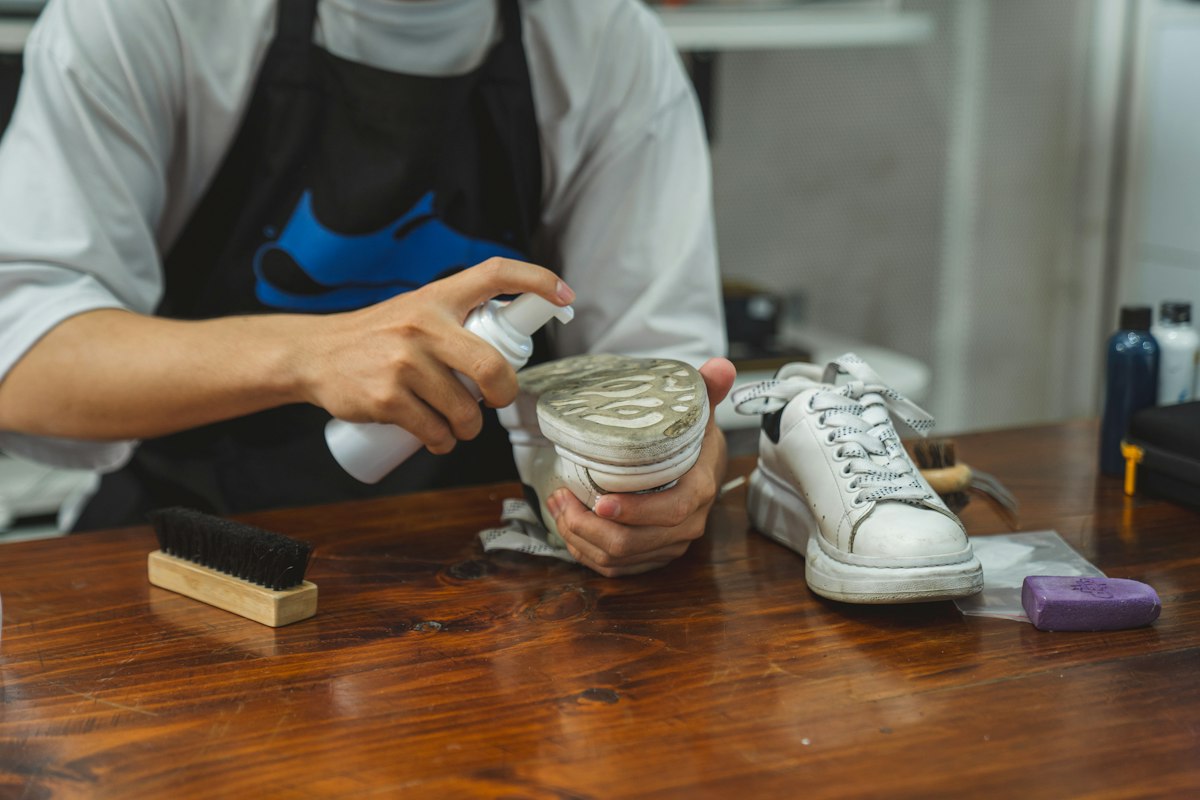
How to Clean Suede Shoes: A Complete Step-by-Step Guide
Suede shoes have a reputation for being high-maintenance, and that reputation isn't entirely undeserved. That soft, velvety texture that makes suede so desirable also makes it remarkably good at absorbing dirt, water, and stains. Cleaning suede shoes isn't actually complicated it just requires knowing what you're doing and having the right tools on hand. Get this right, and a pair of scuffed-up suede chukkas can look almost brand new. Get it wrong, and you might permanently damage the nap.
Whether you're dealing with salt stains from winter sidewalks, muddy weekend adventures, or just the general grime that accumulates on everyday footwear, this guide walks you through everything you need to know about cleaning suede shoes properly. We'll cover the essential tools, walk through each step in detail, tackle specific stain types, and talk about how to protect your investment going forward.
Understanding Suede: Why It Needs Special Care
Before we get into the cleaning process, it helps to understand what you're actually working with. Suede is a type of leather made from the underside of an animal hide typically lamb, goat, calf, or deer. Unlike smooth leather, which has a polished surface, suede is buffed to create that signature fuzzy nap. That nap is made up of tiny fibers that stand upright, and those fibers are remarkably good at grabbing onto dirt and liquids.
This is exactly why suede requires different treatment than regular leather. Standard leather cleaners and polishes can actually damage the nap, leaving your shoes looking flattened or discolored. The good news is that with the right approach, you can maintain suede shoes beautifully for years.
Suede vs. Nubuck: What's the Difference?
You might hear "nubuck" used interchangeably with "suede," but they're not quite the same thing. Both have a soft, fuzzy texture, but the similarity is superficial.
Nubuck is made from the outer grain side of the hide the same side you'd find smooth leather that's been sanded down to create a nap. Because it comes from the tougher outer layer, nubuck tends to be more durable and water-resistant than suede, though its nap is shorter and denser. Suede comes from the softer underside and has a longer, more visible pile.
This matters for cleaning because nubuck is more delicate than it appears using the wrong brush or too much pressure can permanently damage that shorter nap. Most of the cleaning advice in this guide applies to both materials, but be gentler with nubuck and consider using a softer brush or even a clean toothbrush if your suede brush feels too harsh.
Essential Tools for Cleaning Suede Shoes
You don't need an elaborate setup to clean suede shoes effectively, but having the right tools makes an enormous difference. Gather the following before you begin:
- Suede brush: This is your workhorse a brush with stiff bristles designed to lift dirt from the nap without damaging the fibers. Look for one with brass or nylon bristles.
- Suede eraser: Also called a suede rubber, this is specifically designed to remove scuffs, marks, and light stains. A clean pencil eraser works in a pinch.
- Soft microfiber cloth: For applying cleaners and wiping down surfaces.
- Suede cleaner or shampoo: Purpose-made formulas are gentler and more effective than improvising. Look for products specifically labeled for suede.
- White vinegar or rubbing alcohol: These household staples work as emergency stain fighters when you don't have suede-specific products.
- Suede protectant spray: This is the step most people skip but shouldn't a good water and stain repellent is your best defense going forward.
- Shoe trees or crumpled newspaper: To stuff the shoes and maintain shape during cleaning.
Basic supplies typically run $10–25 in total, depending on whether you opt for premium products or budget-friendly alternatives. A toothbrush can substitute for a suede brush in a pinch, and a clean pencil eraser works if you don't have a dedicated suede eraser.
Step-by-Step: How to Clean Suede Shoes
Now let's get into the actual cleaning process. Follow these steps in order for the best results:
- Prep your shoes. If your shoes are wet from rain or snow, let them air dry completely before cleaning. Stuff them with shoe trees or crumpled newspaper to help them hold their shape as they dry. Never use direct heat like a hair dryer it can cause the leather to crack.
- Brush off loose dirt. Using your suede brush, gently sweep across the entire surface of the shoe in one direction. Work from the toe toward the heel, using short, light strokes. This removes loose dirt and debris without driving it deeper into the nap. Make sure to brush the toe box, heel, and sides anywhere dirt accumulates.
- Treat scuffs and marks. Take your suede eraser and rub it gently over any scuffs or marks. Use a back-and-forth motion rather than a circular one, and apply light to moderate pressure. You'll see the eraser pick up dirt and the nap start to lift. Brush away any eraser residue with your suede brush.
- Apply suede cleaner for deeper cleaning. For shoes that need more than just surface brushing, spray a small amount of suede cleaner onto a clean cloth (never directly on the shoe) and gently rub in circular motions. Work in small sections, wiping away excess cleaner with a damp cloth. Let the shoes dry completely before proceeding.
- Handle stubborn stains with vinegar or alcohol. For water stains, salt marks, or tougher spots, dampen a cloth with white vinegar or rubbing alcohol and gently dab the stain. Don't saturate the leather a little goes a long way. Let it dry completely, then brush the nap to restore texture.
- Brush to restore the nap. Once everything is dry, give your shoes a final brush using the same light, directional strokes. This lifts the nap and gives the shoes that fresh, velvety appearance.
- Apply protectant spray. This is arguably the most important step for ongoing care. Hold the spray about 6 inches from the shoe and apply an even, light coat. Let it dry completely usually 24 hours before wearing the shoes. Reapply every few weeks if you wear the shoes regularly, or after any deep cleaning.
The entire process takes about 15-20 minutes once you've got your supplies together. The key is being patient letting shoes dry completely between steps and using gentle pressure rather than scrubbing aggressively.
Removing Specific Stains from Suede Shoes
General cleaning handles everyday dirt, but some stains require targeted treatment. Here's how to tackle the most common culprits:
Water Stains
Ironically, the best way to treat a water stain on suede is with more water. Yes, really. Dampen a clean cloth with plain water and gently rub the entire shoe in circular motions, focusing on the stained area but treating the whole shoe to avoid creating a new spot. Let it air dry completely, then brush to restore the nap. This method blends the water stain into the rest of the shoe rather than leaving a visible ring.
Salt Stains
Winter sidewalks are brutal on suede. Salt leaves white streaks that can permanently discolor the leather if left untreated. Mix equal parts white vinegar and water, apply lightly with a cloth, and allow the shoe to dry naturally. A thorough brushing afterward will lift the nap back up.
Oil and Grease Stains
Oil is one of the toughest stains to remove from suede because it soaks deep into the fibers. Sprinkle baking soda or cornstarch directly onto the stain and let it sit for several hours overnight is even better. The powder draws the oil out of the leather. Once you brush it away, repeat the process if the stain persists. Stubborn grease stains may ultimately require a dedicated suede degreaser.
Mud and Dirt
Let mud dry completely before attempting to clean it trying to wipe away wet mud just smears it deeper into the nap. Once dry, brush off the loose dirt with your suede brush. If a stain remains, use your eraser or a small amount of suede cleaner.
Gum or Wax
Place the shoe in the freezer for a few hours the cold hardens gum and wax, making it brittle. Use a dull edge like a credit card to gently scrape it off, then brush the nap to restore texture.
Common Mistakes When Cleaning Suede Shoes
There's a lot of bad advice floating around about suede care. Here's what NOT to do:
Soaking suede in water is the most common mistake people make. Suede is extremely porous and absorbs water readily, which can cause the leather to stiffen, shrink, or develop permanent water stains. If your shoes get wet, air drying naturally is the only safe approach never submerge them.
Don't use standard leather cleaner. Most leather cleaners and conditioners are too harsh for suede and can leave greasy residues or flatten the nap. Always use products specifically formulated for suede and nubuck.
Don't skip the protectant spray. A lot of people clean their suede shoes but never apply protection, which means they're essentially fighting the same battles over and over. Spray-on protection creates a barrier that repels water and stains, making future cleaning much easier.
Don't use too much pressure. Aggressive brushing might feel satisfying, but it damages the nap. Use light, gentle strokes and let the tools do the work. You can always repeat the process if needed.
Don't use colored cloths. White vinegar and rubbing alcohol are clear, but always use a white or light-colored cloth when cleaning suede. Dyes from colored fabrics can transfer onto the leather.
How to Protect Suede Shoes Going Forward
The best cleaning is the cleaning you don't have to do. A good protectant spray is your first line of defense, but there are other habits that extend the life of your suede shoes:
Apply a quality suede protectant spray as soon as you bring a new pair home before you ever wear them. This creates an invisible barrier against water, salt, and stains. Reapply every few weeks if you wear the shoes frequently, or after any thorough cleaning.
Brush your suede shoes after every few wears, even if they look clean. This removes surface dirt before it works its way into the nap and keeps the texture looking fresh. A quick once-over takes 30 seconds and makes a meaningful difference over time.
Store suede shoes properly when not in use. Keep them in a cool, dry place away from direct sunlight, which can fade the color. Stuffing them with shoe trees or newspaper helps them maintain their shape and absorbs excess moisture.
Avoid wearing suede in heavy rain or snow. I know this isn't always practical, but suede and wet weather don't mix well. If you get caught in a downpour, let your shoes dry naturally away from heat sources, then brush and treat them once they're completely dry.
"A little bit of baking soda can definitely help remove stains, but avoid using it in excess as it can be abrasive." Vogue Fashion
When to Call a Professional
Sometimes home cleaning isn't enough and that's okay. If your shoes have deep-set stains, significant discoloration, or water damage that's caused the leather to stiffen or shrink, a professional cobbler may be able to restore them. Professional suede cleaning involves specialized equipment and treatments that aren't practical at home, and a good cobbler can sometimes work miracles on shoes that look beyond saving.
If you're uncertain about tackling a stain yourself, test any cleaning method on a small, inconspicuous area first the inside of the shoe or behind the heel. This lets you see how the leather responds before committing to the entire shoe.
Key Takeaways
- Always let suede shoes dry completely before cleaning never clean wet shoes, and never soak suede in water.
- Invest in a quality suede brush and eraser; these are the two tools you'll use most often.
- Apply a protectant spray immediately after purchasing new suede shoes and reapply regularly.
- Use white vinegar or rubbing alcohol for stubborn stains, but always test on a small area first.
- Brush your suede shoes after every few wears to keep the nap looking fresh and prevent dirt buildup.
- For oil and grease stains, sprinkle baking soda or cornstarch and let it sit overnight before brushing off.
- When in doubt about a valuable pair, consult a professional cobbler rather than risk damaging the leather.
Frequently Asked Questions
Can I use water to clean suede shoes?
You can, but sparingly and strategically. Lightly dampening a cloth to clean the surface is fine, but never soak suede or pour water directly onto the shoes. For water stains specifically, the trick is actually to wet the entire shoe evenly rather than spot-cleaning, then let it dry completely and brush to restore the nap.
Can I put suede shoes in the washing machine?
Absolutely not. Machine washing suede is a recipe for disaster the agitation and soaking will permanently damage the leather, shrink the material, and leave you with a pair of stiff, shapeless shoes. Stick to hand cleaning with the methods outlined above.
How do I get salt stains off my suede shoes?
Mix equal parts white vinegar and water, apply lightly to a clean cloth, and gently rub the stained areas. Let the shoes air dry completely, then brush the nap to restore the texture. Prevention is easier apply a water repellent before winter wear.
Can I use a regular leather cleaner on suede?
No. Standard leather cleaners are too harsh for suede and can leave greasy residues, flatten the nap, or cause discoloration. Always use cleaners specifically formulated for suede and nubuck. If you don't have suede-specific products, white vinegar or a damp cloth with gentle soap works as a temporary solution.
How often should I apply suede protectant spray?
For shoes you wear regularly, reapply the protectant spray every two to four weeks, or after any deep cleaning. For shoes you wear occasionally, a single application can last several months. Always let the spray dry completely before wearing the shoes typically 24 hours.
What's the best way to store suede shoes?
Store suede shoes in a cool, dry place away from direct sunlight, which can fade the color over time. Use shoe trees or stuff them with crumpled newspaper to help maintain their shape. Avoid storing them in plastic bags leather needs to breathe, and plastic can trap moisture that leads to mold.
My suede shoes got soaking wet. Are they ruined?
Not necessarily. Let them air dry naturally away from direct heat sources stuff them with newspaper to help absorb moisture and maintain shape. Once completely dry, brush the nap to restore texture. You may notice some stiffening, but this often improves with wear and regular brushing. If the shoes feel stiff or look discolored after drying, a professional cobbler may be able to soften and restore them.