How to Shrink Denim Jeans: The Complete Guide to Getting Your Perfect Fit Back

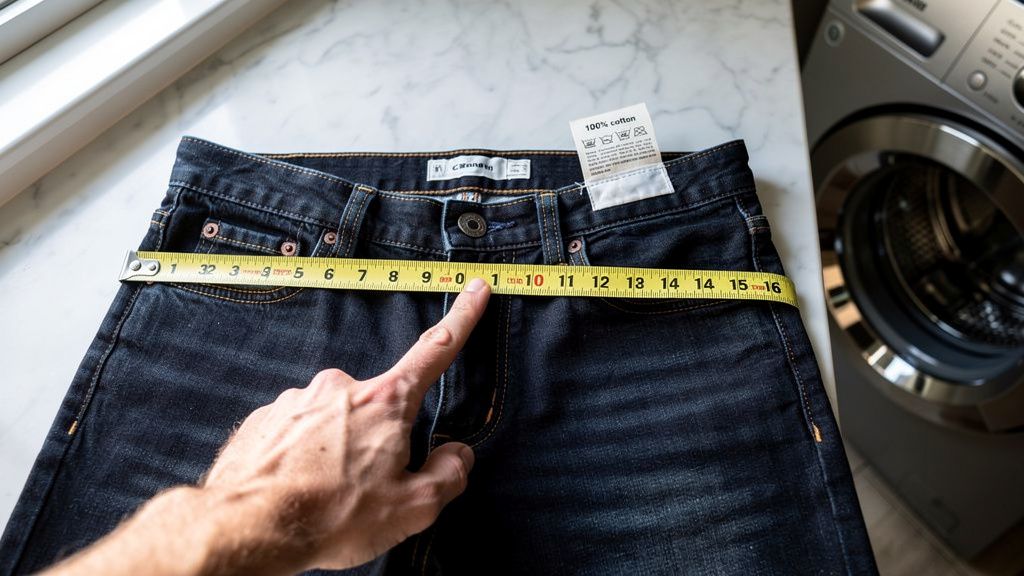
How to Shrink Denim Jeans: The Complete Guide to Getting Your Perfect Fit Back
Your favorite pair of jeans has seen better days. The waistband that once sat perfectly now sags at the hips, the thighs have gone slouchy, and that comfortable-but-not-quite-right fit has drifted further from the mark with every wear. You don't need to toss them or hide them in the back of your closet. Learning how to shrink denim jeans properly can bring that well-worn denim back to life and it doesn't require a trip to the tailor.
Heat is the key. Cotton fibers contract when exposed to hot water and sustained warmth, which is exactly what happens during a wash-and-dry cycle at high temperatures. The process isn't complicated, but the results depend heavily on your denim's fabric composition, the method you choose, and how much shrinkage you're actually chasing. Some jeans will shrink 2%, others closer to 10% and understanding the difference can save you from accidentally turning your favorite pair into something you'd wear as a tent.
Understanding Denim Fabric Types Before You Start
Not all denim behaves the same way under heat, and this is where most people go wrong. The fiber content on that care label tells you almost everything you need to know about how much your jeans will shrink.
Pure cotton denim the kind made from 100% cotton with no stretch fibers added responds aggressively to heat. Raw or unsanforized cotton denim can shrink up to 10% in hot water, according to denim specialists at Superdenim, while sanforized denim (which has been pre-shrunk during manufacturing) typically shrinks 2-5%. Stretch denim, which blends cotton with 1-3% elastane or spandex, resists shrinking because those synthetic fibers hold their shape regardless of temperature. If your jeans are 98% cotton and 2% spandex, you're fighting an uphill battle the cotton might shrink, but the elastane will pull the fabric back to its original dimensions.
What the Shrinkage Numbers Actually Mean
On a standard 32-inch inseam, expect to lose roughly 1 to 1.25 inches in length with a standard hot wash and dry cycle, based on data from Soya Concept's fabric care research. Width shrinkage is typically less dramatic about 2-3% on 100% cotton. If you need more aggressive shrinkage, you'll want to move to a boiling water soak, which can deliver 4-6% shrinkage in length and 2-3% in width on pure cotton denim, according to laundry experts consulted by Yahoo Shopping.
Methods for Shrinking Denim: Which One Works Best
There are three main approaches, each with different trade-offs between effectiveness, risk, and convenience. The method you choose should match how much shrinkage you need and how much control you want over the process.
Method 1: Washer and Dryer (The Standard Approach)
This is the most accessible method and works well for moderate shrinkage on pure cotton or mostly-cotton denim. According to Levi's own guidance, the process is straightforward: wash your jeans in the hottest water your machine offers, then transfer them immediately to a high-heat dryer cycle and run it until they're completely dry. The combination of hot water and sustained heat from the dryer causes the cotton fibers to contract fully.
The advantage here is convenience you're using equipment you already own. The risk is over-shrinking, especially if you have sanforized denim that doesn't need much encouragement. Check your jeans after the first cycle and evaluate before running a second.
Method 2: Boiling Water Soak (Maximum Shrinkage)
For jeans that need serious resizing, boiling is the most effective approach. Fill your largest pot with water and bring it to a rolling boil, then submerge your jeans completely using tongs or a wooden spoon. Let them soak for 20 to 30 minutes, turning them every 5 minutes to ensure even heat distribution. After soaking, allow the water to cool for 10-20 minutes before handling pulling hot, waterlogged denim risks tearing the fibers or distorting the shape. Transfer to a high-heat dryer cycle when safe to handle.
Business Insider's testing found this method particularly effective for shrink-to-fit raw denim, where the goal is resetting the fabric to its original state before any breaking-in occurred. The tradeoff is labor intensity and the risk of uneven shrinkage if the jeans aren't rotated during the soak.
Method 3: Hot Bath Soak (Gentler on the Fabric)
If you're nervous about boiling your jeans or working with vintage denim that might have delicate stitching, a hot bath offers a middle path. Fill your bathtub with the hottest water available, turn your jeans inside out to protect the outer dye, and let them soak for 30-60 minutes. Weight the jeans down with a clean bath weight or a bucket to keep them fully submerged. After soaking, roll them in a towel to remove excess water, then dry on high heat.
This method gives more controlled shrinkage than boiling and is less likely to damage hardware like buttons or rivets from thermal shock. It's slower, though, and may require multiple sessions for significant shrinkage.
Method 4: Targeted Heat with an Iron
For fine-tuning rather than wholesale resizing, an iron can address specific problem areas a waistband that's stretched out, a seat that's bagged. Turn the jeans inside out, dampen the target area with a spray bottle, and apply the iron on the cotton setting directly to the fabric. Pull the fabric taut as you iron to encourage the fibers to set in their new, contracted position. This method won't give you dramatic results across the whole garment, but it's useful for spot repairs.
Step-by-Step: The Washer-Dryer Method
For most people with most jeans, this is the sweet spot between effectiveness and safety. Follow these steps in order for the best results.
- Check the fabric tag. You want 100% cotton or at minimum 95% cotton for meaningful shrinkage. Anything with significant elastane content won't respond well.
- Turn your jeans inside out. This protects the outer dye from excessive fading during the hot wash cycle.
- Set your washing machine to the hottest water temperature available. If your machine has a sanitize cycle, use it the higher sustained temperature improves shrinkage results.
- Run a full wash cycle and transfer the jeans immediately to the dryer. Don't let them sit wet in the drum.
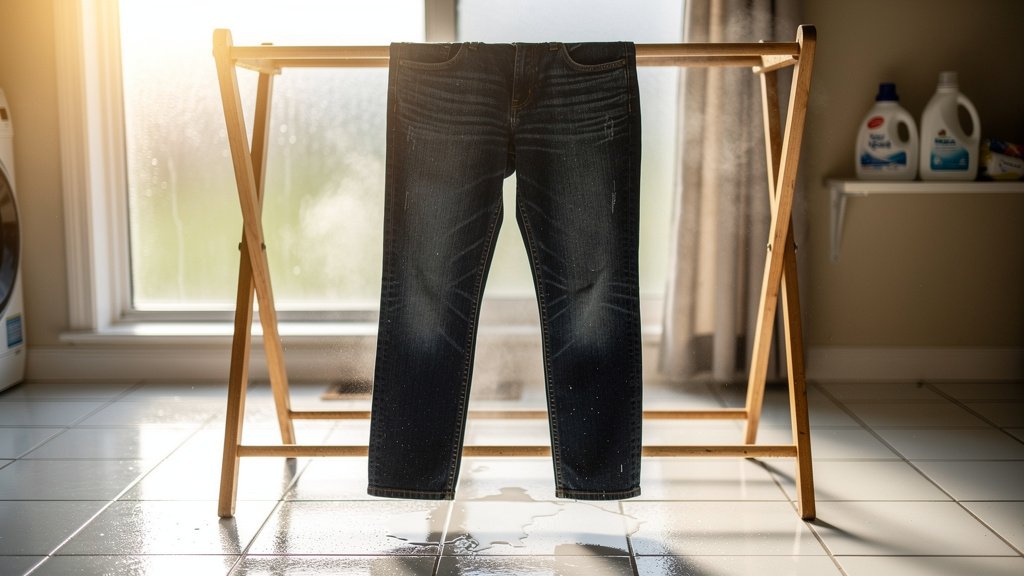
- Set the dryer to its highest heat setting and run a full drying cycle until the jeans are completely dry. Damp denim can stretch back out as it cools.
- Try on the jeans while they're still warm. If they need more shrinkage, repeat the cycle. If they've gone too far, there's no easy fix so check carefully before running a second round.
Why Denim Stretches Out in the First Place
Understanding why your jeans loosened helps you prevent it from happening again. Cotton denim is relatively rigid when new, but wear and washing gradually break down the fibers. Gravity plays a role over time, particularly in the seat and thighs. Sitting for extended periods, bending at the knees, and even just walking all contribute to gradual elongation. Even the way you store your jeans matters folding them the same way every time creates consistent stress points.
Denim experts at Denimio note that washing frequency, washing temperature, and drying method all affect how quickly jeans lose their shape. Cold water washing and air drying preserves the original dimensions longest, but most of us aren't willing to hand-wash and line-dry everything. The result is that favorite pair gradually morphing into something that fits like a loose shell rather than a tailored garment.
Can You Shrink Stretch Denim?
The short answer: partially, and with caveats. Stretch denim contains elastane or spandex fibers that are engineered to maintain their structure regardless of temperature. The cotton portion might contract slightly during a hot wash, but the stretch fibers will pull the fabric back toward its original dimensions once the jeans cool and you're wearing them again. According to fabric specialists at Sportek, spandex is "much more shrink-resistant" than cotton which means your efforts may produce minimal visible results.
If you need to shrink stretch denim, you'll get better results from repeated hot wash-and-dry cycles, but expect diminishing returns after the first two or three attempts. At some point, you're just accelerating wear on the fabric without meaningful shrinkage to show for it.
"The heat from the dryer will shrink the fibers and bring your jeans back to their original size," explains Jill Guenza, Vice President of Women's Denim at Levi's, in guidance published by Elle. "If your jeans are made from 100% cotton, this method will work best for shrinkage." Jill Guenza, VP of Women's Denim, Levi's
Comparing Shrinkage Methods
Best Practices for Shrinking Without Damaging Your Jeans
Heat is effective, but it's also harsh on denim in other ways. High-temperature washing accelerates color loss, breaks down fabric fibers faster, and can damage hardware. A few precautions help you get the shrinkage you want without collateral damage.
- Turn jeans inside out before any hot wash. This simple step dramatically reduces indigo dye loss and preserves the outer appearance while still allowing heat to reach the fibers.
- Avoid harsh detergents in hot cycles. Use mild, low-sudsing formulas designed for cold water they're gentler on fibers already stressed by temperature.
- Don't mix your jeans with other items during a shrinking cycle. The agitation and heat should focus entirely on your target garment.
- Check fit while the jeans are still warm from the dryer. Cotton sets its shape as it cools, so you're working with the most malleable fibers right out of the dryer.
- Only repeat if needed. Multiple shrinking cycles compound fabric wear. Two cycles should be your maximum before reassessing.
Common Mistakes That Ruin Jeans During Shrinking
Most shrinking failures come from a handful of predictable errors that are easy to avoid with the right information.
The most common mistake is assuming all jeans will shrink the same amount. Unsanforized raw denim behaves completely differently from sanforized denim that's been pre-treated at the factory. Raw denim might lose 10% of its dimensions in a single hot soak, while sanforized denim might not visibly change at all. Always check your fabric content before committing to a method.
Another frequent error is leaving jeans in the dryer too long or at too high a temperature once they're dry. Over-drying stresses cotton fibers and can cause brittleness over time. Remove jeans as soon as the cycle completes.
Skipping the inside-out step is another one. Yes, it takes ten seconds. Yes, it makes a meaningful difference in preserving your jeans' appearance. There's no reason to sacrifice color retention when the shrinkage benefit comes from the heat, not from direct contact with the drum.
Finally, there's the mistake of trying to shrink stretch denim at all. If your jeans contain 5% or more elastane, you're not going to get meaningful results from any home method. The stretch fibers will always pull the fabric back. In that case, your real options are tailoring or accepting that the fit has changed permanently.
How to Maintain Your Fit After Shrinking
Once you've achieved your target fit, the goal shifts to keeping it. Cold water washing and air drying will slow future stretching, though most people find this inconvenient for regular wear. The Levi's care guide recommends washing jeans only when genuinely necessary the brand's own guidance suggests most jeans need washing every 10-15 wears, not every time you wear them. Less washing means less thermal stress and slower fiber breakdown.
When you do wash, use the gentlest cycle available and avoid high-speed spin cycles that stress the fabric. If you must use a dryer, use low or medium heat rather than high. Hanging your jeans to dry rather than tumbling also preserves the fit, though it requires patience.
I couldn't find reliable data on how many shrinking cycles jeans can withstand before visible fabric degradation that research doesn't seem to exist in any formal way. The practical answer is: if your jeans look significantly worn after two or three shrinking attempts, the fabric has paid the price and further cycles will likely cause more damage than benefit.
When Shrinking Won't Work: Alternatives to Consider
There are situations where no amount of boiling water will give you the result you want. Jeans with heavy stretch content, pre-distressed treatments that might bleed or crack under heat, or denim that's already significantly worn may not respond well. In these cases, shrinking isn't the answer and continuing to try will just accelerate deterioration.
Tailoring remains the most reliable option for precise fit adjustments. A good tailor can take in the waist, shorten the inseam, or taper the legs without risking fabric damage. The cost is usually reasonable for straightforward adjustments and guarantees the result you want. For jeans you genuinely love, tailoring often makes more sense than gambling on heat-based shrinkage that might not deliver.
Frequently Asked Questions
Will my jeans shrink every time I wash them in hot water?
Not indefinitely. The most significant shrinkage occurs during the first one or two hot wash cycles. After that, most of the potential contraction has already happened. Subsequent hot washes may produce minor additional shrinkage, but the dramatic changes you see in the first cycle are a one-time phenomenon for sanforized denim. Raw, unsanforized denim can continue shrinking with repeated washing, which is why many raw denim enthusiasts monitor their jeans carefully after each wash.
How long does it take to shrink jeans using the boiling method?
The active time is about 45-60 minutes if you include heating the water, soaking the jeans, and safely handling them afterward. The actual soaking takes 20-30 minutes, plus time for the water to cool enough for safe handling and the subsequent drying cycle. You should plan for a total of 2-3 hours from start to finish, including dryer time.
Can I shrink jeans that are too big in just one area, like the waist?
Yes, with the ironing method or a modified soaking approach. For targeted shrinkage, dampen the specific area with warm water, then apply direct heat with an iron while pulling the fabric taut. This works best for localized adjustments rather than overall resizing. Full-area soaking will shrink the entire garment uniformly, which may create fit problems elsewhere if you only needed adjustment in one spot.
Do dark wash jeans shrink differently than light wash?
The fabric composition matters more than the wash color for shrinkage purposes. However, dark wash jeans are more likely to bleed or lose color during hot washing, so turning them inside out is especially important. The shrinkage potential is similar as long as the fiber content is the same.
Is it possible to shrink jeans that have already been washed many times?
Yes, but they may not shrink as dramatically as new jeans. Each wash cycle causes some fiber relaxation, so jeans that have been washed dozens of times may have already experienced much of their potential shrinkage. You can still achieve results with hot water and high heat, but the percentage reduction may be lower than the numbers cited for new, unwashed denim.
What should I do if my jeans shrink too much?
Unfortunately, there's no reliable way to unshrink denim once the fibers have contracted. Your options are to wear them as a shorter or tighter style, use them for a different purpose (cutoff shorts, for example), or accept the loss. This is why checking the fit after the first shrinking cycle before committing to a second is so important.
Key Takeaways
- Pure cotton denim responds best to heat-based shrinking; stretch denim with elastane resists shrinkage significantly.
- Boiling water soaking delivers the most dramatic results (4-6% shrinkage) while washer-dryer cycles offer moderate results (2-5%) with less risk.
- Always turn jeans inside out before hot washing to protect the outer dye from fading.
- Check fit after the first shrinking cycle before repeating over-shrinking has no reliable fix.
- Multiple shrinking cycles accelerate fabric wear; two cycles should be your maximum before reassessing.
- Tailoring is the most reliable option when jeans need precise fit adjustments that heat-based methods can't guarantee.
- Maintaining fit after shrinking requires gentler washing practices and less frequent hot water exposure.