How to Wear Hosiery: A Complete Guide to Putting On, Styling, and Caring for Tights

How to Wear Hosiery: A Complete Guide to Putting On, Styling, and Caring for Tights
Hosiery has made a quiet comeback in recent years, moving beyond the boardroom staple of decades past into something much more versatile. Whether you're reaching for opaque tights to survive winter or sheer pantyhose for a formal event, the difference between a flawless leg and a laddered mess often comes down to technique how you put them on, how you style them, and how you care for them after.
This guide covers everything from the mechanics of getting tights onto your legs without destroying them, to when it's appropriate to wear them in professional settings, to the styling tricks that make hosiery look intentional rather than obligatory. The most common frustration and the best place to start is putting on tights without ripping them.
What Is the Best Way to Put On Tights Without Ripping Them?
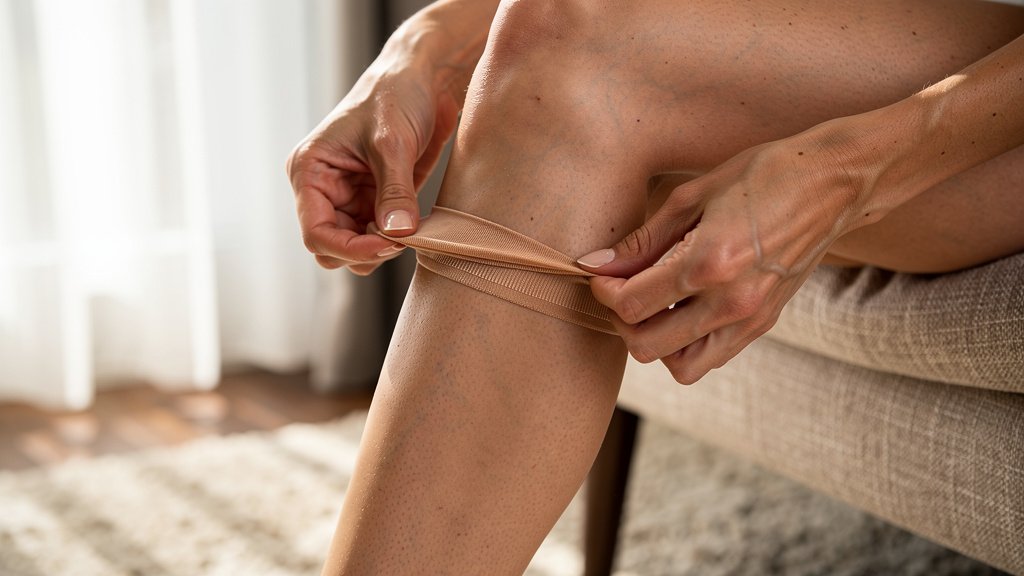
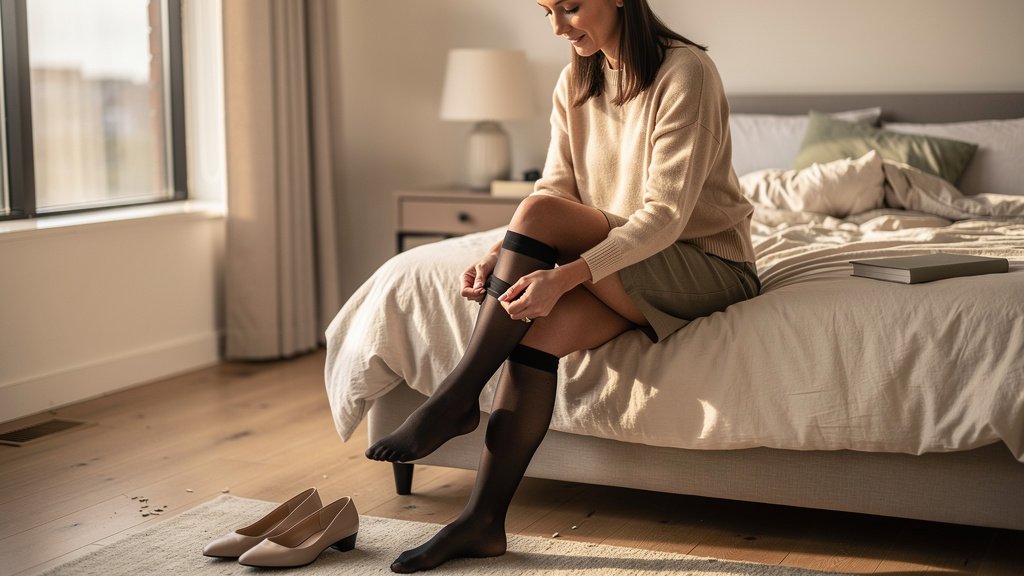
The number one complaint about hosiery is that it rips too easily. But rips and snags are largely preventable with the right technique. The best approach involves rolling rather than yanking. Gather one leg of your tights all the way to the toe, gently place your toes into the tip, and slowly roll the fabric up over your heel and calf, working in alternating sections rather than pulling from the top.
According to styling experts, dampening your hands slightly before putting on tights helps the fabric glide smoothly instead of catching on dry skin. Some people prefer wearing thin cotton gloves, which eliminates friction entirely and makes the process nearly foolproof. The key is taking your time rushing while hopping around trying to pull them on is a surefire way to snag the fibers.
Prepare your hands and feet before you begin. Remove rings, bracelets, and any jewelry that could catch on the delicate fabric. Buff rough edges from fingernails and toenails with a fine emery board. If you've just applied hand cream, give it a few minutes to absorb fully before handling hosiery the oils in moisturizers can break down nylon fibers and cause them to deteriorate faster.
How Do You Choose the Right Hosiery for Different Occasions?
Choosing hosiery isn't just about finding the right size it's about matching the denier, color, and style to your outfit and the occasion. Denier refers to the thickness of the fibers, which determines both the opacity and the warmth of the hosiery.
For professional settings, opt for neutral colors in darker shades like black, navy, grey, or brown. Higher denier options (50 denier and above) offer more coverage and a neat, put-together appearance suitable for conservative workplaces. A sheer nude stocking, when matched precisely to your skin tone, creates the illusion of bare legs while adding the finish that some formal settings still call for.
Adam Glassman, creative director at Oprah Magazine, offered straightforward advice: matching hosiery to your exact skin tone is critical nothing looks worse than orangey nylons. He also noted that elaborate patterns and back seams tend to make legs appear larger, so they're best avoided unless that's specifically the effect you're going for.
For casual or creative environments, you have more freedom. Fishnets in neutral tones and fine weaves can add visual interest without looking inappropriate. Opaque tights pair beautifully with boots, particularly suede styles, and become essentially non-negotiable once the temperature drops below a certain point.
When Should You Wear Hosiery to Work?
The workplace has evolved, and strict hosiery requirements have largely disappeared. However, there are still situations where wearing hosiery is advisable or even expected. For job interviews, court appearances, or significant meetings with senior leadership, nude or black hosiery under a skirt or dress demonstrates attention to detail and professionalism.
In more casual corporate environments, bare legs are generally acceptable, particularly during summer months. The general rule: when in doubt about the dress code, err on the side of wearing hosiery for your first few occasions in a new workplace. You can always adjust based on what others are wearing.
For formal business settings with conservative dress codes, pair opaque tights in dark neutral tones with skirts or dresses hitting at or below the knee. This combination looks sharp and put-together while keeping you comfortable. Avoid white tights in almost any professional context they're difficult to style and rarely look appropriate in business settings.
One area where I notice people struggle is knowing when they can safely skip hosiery. If your office has a clearly casual culture and others are regularly wearing bare legs, there's no requirement to wear tights simply because you always have before. That said, some women find hosiery provides a useful sense of polish and confidence that bare legs don't replicate, and that's a personal calculation worth making on your own terms.
What Are the Best Tips for Making Hosiery Last Longer?
Hosiery is an investment, and with proper care, a single pair can last much longer than the typical single-wear lifespan many people expect. The care process begins before you even put on a new pair for the first time.
Washing new tights in cold water before wearing them helps toughen the fibers and extend their lifespan. A widely circulated tip takes this further: rinse new tights in cold water, seal them in a plastic bag, and freeze them overnight. The cold temperature supposedly helps tights retain their color longer and prevents bobbling, though the technique is more talked about than scientifically validated your results may vary.
For ongoing care, hand washing is gentler than machine washing, but if you do use a machine, place hosiery in a mesh laundry bag and use the delicate cycle with cold water. Always avoid fabric softener, which breaks down the elastic fibers in hosiery over time. Air drying is essential tumble drying subjects the delicate fabric to heat and agitation that causes pilling and deterioration.
For minor repairs, clear nail polish can stop a small run from spreading further. Apply it to the edges of any hole or tear and let it dry completely before wearing. This won't restore the hosiery to new condition, but it can buy you a few more wears if you're careful.
How Should You Style Hosiery for Different Outfits?
Styling hosiery successfully comes down to understanding what the rest of your outfit needs. Opaque tights in black or dark gray work with boots, booties, and heavier fabrics like wool and tweed. They're also ideal for creating a streamlined silhouette under flowy dresses or skirts that might otherwise look too casual.
Sheer hosiery pairs better with lighter fabrics and more formal footwear. If you're wearing open-toe shoes or sandals, consider toeless hosiery, which provides leg coverage while keeping your pedicure visible. This option bridges the gap between polished and practical, and several brands now offer toeless styles that stay in place better than they used to.
One styling rule worth breaking: the notion that you should never wear tights with sneakers. This conventional wisdom has softened considerably. Opaque black tights with white sneakers and an oversized sweater or longline coat creates a modern, intentional look that reads as stylish rather than sloppy. The key is ensuring the rest of your outfit is polished enough that the tights-sneakers combination feels deliberate.
Color and pattern can work in professional contexts when done subtly. A slight shimmer or a very faint pattern adds visual interest without overwhelming your outfit. Save the bold colors and dramatic patterns for evenings out or creative workplaces where self-expression through clothing is encouraged.
What to Remember About Wearing Hosiery
- Roll tights onto your legs rather than pulling from the top gather one leg to the toe, place your toes in gently, and work upward in sections.
- Dampen your hands or wear thin cotton gloves to reduce friction and prevent snags when putting on hosiery.
- Prepare your hands and feet by removing jewelry and buffing rough nail edges before handling delicate fabrics.
- Match nude hosiery precisely to your skin tone mismatched shades are more noticeable than going bare-legged.
- For professional settings, stick to opaque or sheer options in black, navy, grey, or nude; save bold colors and patterns for casual or creative contexts.
- Wash new tights in cold water before first wear and avoid fabric softener to extend their lifespan.
- When in doubt about workplace dress codes, wear hosiery initially and adjust based on what colleagues are wearing.