What to Wear to a Celebration of Life: Your Complete Dress Code Guide

What to Wear to a Celebration of Life: Your Complete Dress Code Guide
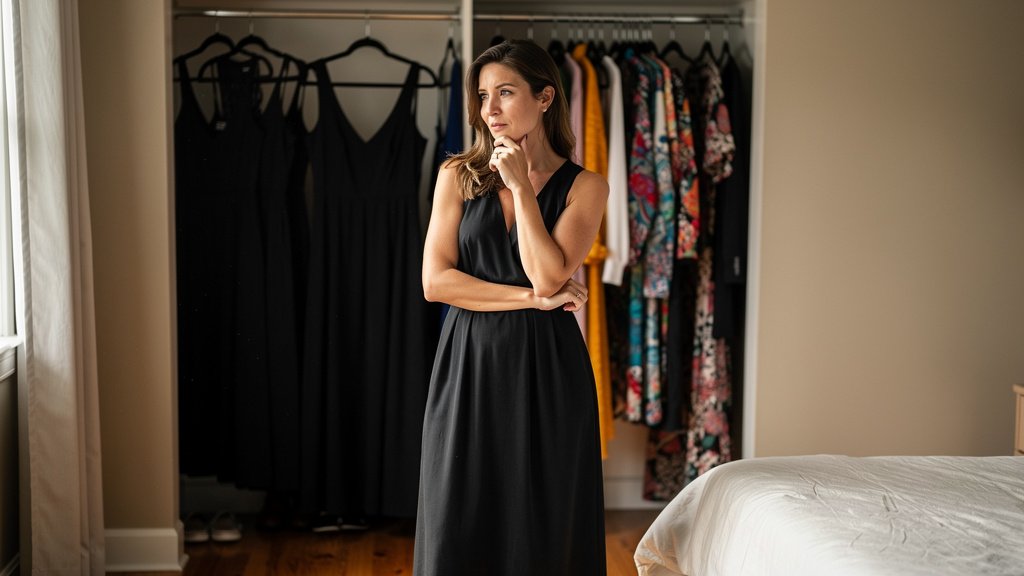
Walking into your closet after receiving an invitation to a celebration of life can feel genuinely paralyzing. Unlike traditional funerals with their clear (if somber) dress code expectations, a celebration of life throws open the doors of possibility and somehow that makes everything harder. You're not alone in standing there wondering whether bright colors are welcome, if jeans are acceptable, or whether wearing black will mark you as someone who didn't get the memo.
The good news: there's no single right answer, but there are plenty of wrong ones and understanding the nuance behind this increasingly popular alternative to traditional funerals will help you land on an outfit that feels respectful, appropriate, and entirely appropriate for honoring someone who meant something to you.
Understanding the Celebration of Life Dress Code
Celebrations of life have surged in popularity over the past decade, with many families choosing them over or alongside traditional funerals. According to funeral industry data, nearly 40% of memorial services now incorporate "celebration of life" elements, reflecting a broader cultural shift toward honoring deceased loved ones in ways that reflect their personality rather than adhering to rigid funeral conventions.
The key distinction between a celebration of life and a traditional funeral lies in tone. While traditional funerals often call for somber, formal black attire, celebrations of life may welcome brighter colors, casual elegance, or even themed clothing that reflects the deceased's personality. A celebration of life for someone who loved gardening might encourage floral prints; one for a passionate sports fan might welcome team colors. The flexibility is part of the point.
That said, "flexible" doesn't mean "anything goes." The fundamental principle underlying celebration of life attire is simple: choose an outfit that honors the deceased and respects the grieving family while matching the event's tone. Most celebrations of life land somewhere in the smart casual to business casual range think what you'd wear to church, a nice dinner out, or a professional lunch. The absolute safest bet is business casual in respectful, muted tones.
The Great Color Debate: What Colors Are Appropriate
Here's where things get genuinely nuanced. Unlike traditional funerals where black is essentially mandatory, celebrations of life often explicitly encourage attendees to wear color. Some invitations specifically state "please wear bright colors" or "the deceased loved blue please wear it in their memory." When in doubt, check the invitation for any specific guidance.
When no color guidance is provided, you have real latitude. Black remains perfectly acceptable it's never wrong to dress respectfully, and many attendees still choose dark, subdued tones out of habit or personal preference. Navy, charcoal, dark green, and other deep colors work beautifully and carry the same sense of formality without the starkness of all-black.
Muted, soft tones tend to hit the sweet spot for most celebrations of life. Think dusty blues, soft grays, warm browns, and gentle pastels. These colors convey thoughtfulness without screaming for attention. A muted floral print, a soft sweater in a heathered gray, a blouse in a gentle sage these choices show you made an effort while respecting the occasion's spirit.
If the family has explicitly requested bright colors or a specific theme, embrace it enthusiastically. Wearing the requested colors demonstrates that you're paying attention and honoring what the family has asked. But if there's no guidance at all, lean toward the conservative side of the spectrum. It's far easier to feel underdressed in a sea of more formally dressed mourners than to stand out for being too polished.
What to Wear: Outfit Ideas for Women
For women attending a celebration of life, the options are genuinely broad but the common thread is "polished but not formal." A simple dress hits the sweet spot most often. Mid-length to midi dresses work beautifully for most celebrations, particularly in muted or soft colors. A knee-length dress in a dignified fabric works equally well for services held in churches, banquet halls, or outdoor venues.
Pants and a blouse combination offers excellent versatility. Tailored pants in a dark or neutral color paired with a modest top and a soft layer think a cardigan, light blazer, or elegant scarf creates a put-together look that works across venues and seasons. The key is ensuring the outfit feels intentional: avoid anything that reads as workout wear, beachwear, or overly casual.
Skirts with modest tops also work beautifully. Pair a knee-length or midi skirt with a silk blouse, a tasteful sweater, or a structured top. Add simple jewelry and closed-toe shoes to complete a look that says "I care about this occasion" without saying "I'm trying too hard."
When selecting fabrics, think about the venue and weather. Lighter, breathable fabrics like cotton, linen, or chambray will keep you comfortable at outdoor summer events. Heavier fabrics like wool blends or crepe work better for indoor winter services. Always bring a layer venue temperatures are notoriously unpredictable, and sitting shivering through a service is distractingly uncomfortable.
Shoes should be clean, polished, and appropriate for the venue. Heels, flats, dressy boots, or polished sandals all work. Just avoid anything too casual like flip-flops, gym shoes, or anything overly flashy or noisy. The goal is to walk into the service feeling confident that your outfit is appropriate not to have anyone remember what you wore.
What to Wear: Outfit Ideas for Men
Men have similarly broad options, with the same underlying principle: look thoughtful and put-together without appearing at a job interview or a black-tie event. A dress shirt with slacks or chinos represents the foundation of appropriate celebration of life attire for men. Choose a button-down in a solid color or subtle pattern, paired with well-fitted dress pants or tailored chinos in navy, khaki, charcoal, or black.
A sport coat or blazer elevates the look instantly without crossing into formal territory. Layer it over a dress shirt or a clean, collared polo. This combination works particularly well for celebrations held in more formal venues or during cooler months. The blazer signals that you made an effort while remaining appropriately relaxed for the occasion.
A full suit is entirely appropriate if you feel more comfortable in one but it's not required. Many men opt for the "dress shirt + slacks + no tie" combination, which strikes the ideal balance between respectful and comfortable. If the celebration has a casual vibe, a nice polo shirt with dress pants or chinos works perfectly well.
Ties are optional and often skipped at celebrations of life. Unless the invitation specifies "formal" or "black tie optional," leave the tie at home. Going without a tie creates a slightly relaxed feel that matches the celebration's tone while maintaining respectfulness.
Shoes matter more than many men realize. Clean, polished dress shoes in black or brown are the safest choice. Avoid casual sneakers, worn-out shoes, or anything too flashy. The goal is to present yourself as someone who took the occasion seriously enough to put on real shoes not running shoes or flip-flops.
What to Avoid at a Celebration of Life
Just as important as knowing what to wear is knowing what to leave at home. The general rule: avoid anything that would distract from the purpose of the gathering or make the family feel you're not taking their loss seriously.
Ripped jeans, torn clothing, or anything with holes absolutely must stay in your closet. Even if the celebration is casual, damaged clothing sends the wrong message entirely. Graphic tees, especially those with logos, slogans, or images, can be distracting and inappropriate. The same goes for shirts with bold patterns, loud graphics, or messaging that could draw attention.
Athletic wear is a hard no. Workout clothing, yoga pants, running shoes (unless the event is explicitly outdoors and active), and athletic leggings all read as "I couldn't be bothered to dress appropriately." Even if you typically live in athleisure, this is the moment to change into something more considered.
Revealing clothing think spaghetti straps, very short hemlines, low necklines, or overly tight clothing misses the mark. The focus should be on honoring the deceased, not on your shoulders or legs. Dress modestly enough that no one would do a double-take.
Neon colors, extremely bright hues, or anything that screams for attention is best avoided unless explicitly requested by the family. You want to blend into the respectful backdrop of the gathering, not stand out as the person who didn't get it.
Flip-flops, beachwear, and poolside sandals are inappropriate unless the celebration is specifically held at a beach or pool and the invitation makes clear that casual attire is expected. When in doubt, dress up slightly rather than down.
Venue and Season: How They Shape Your Outfit
The location and timing of a celebration of life significantly influence what's appropriate. A beachside service calls for different attire than one held in a church or a family home. Understanding this context helps you dress appropriately without overthinking it.
Outdoor summer celebrations often allow for more relaxed attire while still requiring thoughtfulness. Breathable fabrics like cotton and linen keep you comfortable in the heat while looking polished. A sundress in a muted print, a nice polo with dress shorts (for men), or linen pants with a crisp shirt all work beautifully for warm-weather outdoor events. Still, avoid truly casual items like tank tops, swimwear, or worn-out sandals.
Indoor venues in churches, funeral homes, or banquet halls typically call for slightly more formal attire. Here is where business casual really shines: a dress or blouse-and-pants combination for women, a collared shirt with slacks or a sport coat for men. These venues tend to have more formal energy, and dressing accordingly shows respect for the space.
For celebrations held in a private home, the tone is often more relaxed, but that doesn't mean anything goes. Think "nice casual" what you'd wear to have dinner with someone's parents or attend a thoughtful dinner party. Clean, neat, and considered is the standard, regardless of the specific venue.
Seasonal considerations matter too. Winter celebrations might call for richer fabrics and darker colors; spring and summer events allow for lighter colors and fabrics. But regardless of season, always prioritize looking intentional and respectful over following any rigid formula.
When You're Unsure: The Smart Default
If you've read the invitation carefully and still have no idea what to wear, here's a reliable fallback: dark, subtle business casual. For women: a simple dress or nice pants with a blouse and a layer. For men: a collared shirt with dress pants or chinos, potentially with a sport coat. Stick to muted, respectful colors, keep accessories minimal, and ensure everything is clean and well-maintained.
You can also reach out directly to a family member and ask. This isn't awkward it's thoughtful. A quick text or call saying "I want to make sure I dress appropriately is there any guidance you'd give me?" demonstrates that you care about getting it right. Most families appreciate the consideration.
Another option: look at the deceased's personality and interests. If they were known for their sharp style, dressing well honors them. If they were casual and unpretentious, dressing too formally might feel misaligned. Use what you know about the person to guide your choices.
Here's what I couldn't fully resolve from the research: there's surprisingly little data on how guests actually dress at celebrations of life versus traditional funerals. Most guidance comes from funeral industry professionals and etiquette experts rather than quantitative studies. If you're curious whether most attendees wear color or stick to neutrals, or whether the "smart casual" standard holds across different regions and demographics, you're not alone in wondering the data simply doesn't exist in any reliable or comprehensive form.
Special Considerations and Edge Cases
Some celebrations of life include specific themes, and when they do, follow them enthusiastically. If the invitation says "wear Hawaiian shirts" or "dress in the deceased's favorite team's colors," take it as genuine guidance rather than a suggestion. These themes exist specifically because the family wants to celebrate their loved one's life in a particular way, and participating shows respect.
Cultural considerations matter. Some cultures have specific traditions around mourning attire that may influence what's appropriate. If you're unfamiliar with the family's cultural background, a brief conversation or gentle inquiry can help you handle this respectfully. Err on the side of modesty and formality if you're unsure.
For guests who are also speaking or have a formal role at the celebration, slightly more formal attire is appropriate. If you're giving a eulogy, reading a poem, or leading a portion of the service, dressing slightly more formally acknowledges your elevated role without appearing overwrought.
Children should be dressed neatly but don't need to match adult formality. A nice outfit that allows them to be comfortable during what may be a long service is ideal. Parents know their children's limits the goal is appropriateness, not discomfort.
If you're attending directly after work or another commitment, bring a change of clothes if needed. Rolling in wearing a uniform or obviously work-appropriate clothing can read as inattentive. A quick change in your car or the venue's bathroom takes moments and transforms your appearance entirely.
What to Keep in Mind When Choosing Your Outfit
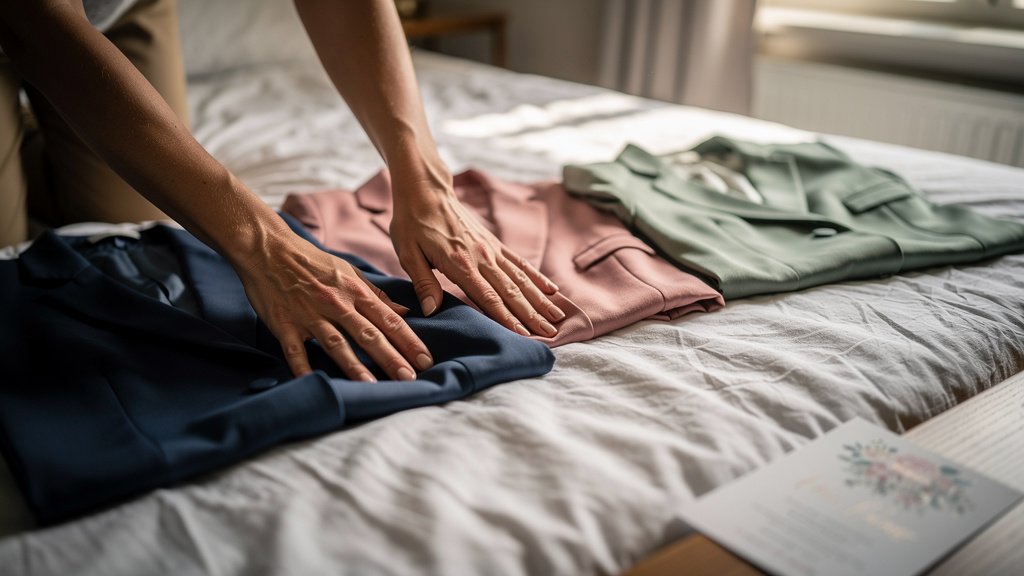
A celebration of life dress code exists in a flexible middle ground between full-on formal and casual. Your goal is to look like someone who cares about honoring the deceased and respecting the family not someone who stumbled in from a beach volleyball game or a boardroom presentation.
The safest approach is smart casual in muted, respectful tones. Clean, well-maintained clothing that covers shoulders and knees. Nothing too tight, too revealing, too casual, or too loud. If you're wondering whether something is appropriate, ask yourself whether the deceased would feel honored by your appearance and whether the family would appreciate your effort.
And here's an honest observation from covering these events: families genuinely appreciate anyone who makes an effort to get it right, and they forgive minor missteps in either direction. What matters most is showing up with a sincere intention to honor their loved one. Your outfit is a gesture toward that intention not a test you can pass or fail. Dress thoughtfully, show up with an open heart, and let the rest take care of itself.