Old Money Outfits for Women: The Complete Style Guide to Quiet Luxury

Old Money Outfits for Women: The Complete Style Guide to Quiet Luxury
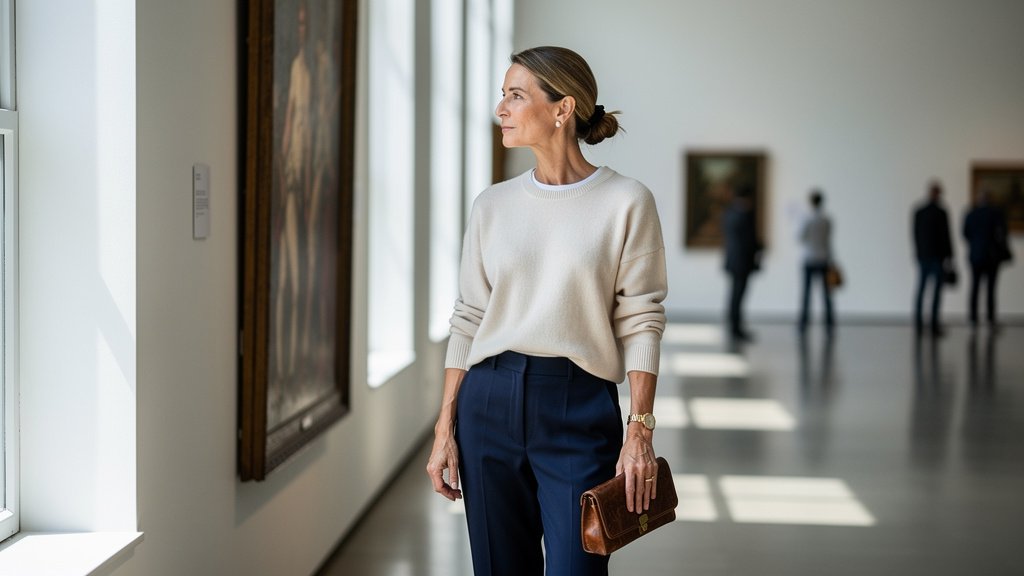
There's a woman you've seen at a gallery opening, at a summer wedding, at the café on the corner of her estate. She isn't trying to be noticed. Her cream cashmere sweater costs more than your rent. Her vintage Hermès scarf was her grandmother's. She looks expensive without performing wealth, and that's exactly the point.
This is the old money aesthetic for women: quiet luxury, timeless silhouettes, and a wardrobe built to outlast trends. It isn't about logos or loud statements. It's about fabric quality, impeccable tailoring, and the kind of understated elegance that suggests old wealth without ever spelling it out.
Whether you're building a capsule wardrobe from scratch or refining what you already own, this guide breaks down everything you need to know about old money outfits for women the essential pieces, the styling rules, and why this look has become the anti-trend trend of the decade.
Understanding the Old Money Aesthetic
The old money aesthetic isn't really about money at all it's about mindset. Rooted in European aristocratic dressing traditions and refined by American prep school culture, this style philosophy prioritizes quality over quantity, restraint over excess, and timelessness over trends.
According to Saks Fifth Avenue's editorial coverage of the quiet luxury trend, "focuses on quality pieces absent of logos and loud, flashy colors that are inherently timeless and never go out of style." This perfectly captures the essence: the clothes speak through their construction, not their branding.
The aesthetic draws from wardrobes of inherited wealth families who've dressed this way for generations and see no need to announce it. Think Lauren Ralph Lauren meets Parisian左岸, with a touch of Connecticut country club. The result is clothing that feels expensive because it is expensive in materials, in craftsmanship, in how it moves and drapes.
The old money look is defined by "quiet luxury." This includes clothes made from the finest materials, impeccable tailoring, designer pieces, and a minimalistic approach to fashion. Pinterest
Essential Wardrobe Pieces for Old Money Outfits
Building an old money wardrobe starts with investing in the right foundation. These aren't trendy pieces you'll wear one season they're architectural elements that form the backbone of countless outfits. Here's what every woman aiming for this aesthetic needs in her closet:
- Crisp white button-down shirt The non-negotiable foundation. Look for premium cotton with a relaxed but polished fit.
- Perfectly cut blazer Navy, charcoal, or camel. Single-breasted, with structure that skims the body without clinging.
- Cashmere sweater In cream, oatmeal, or soft grey. Crewneck or v-neck, layerable over shirts.
- Straight-leg tailored trousers High-waisted, with a clean line from hip to hem. Navy or khaki work best.
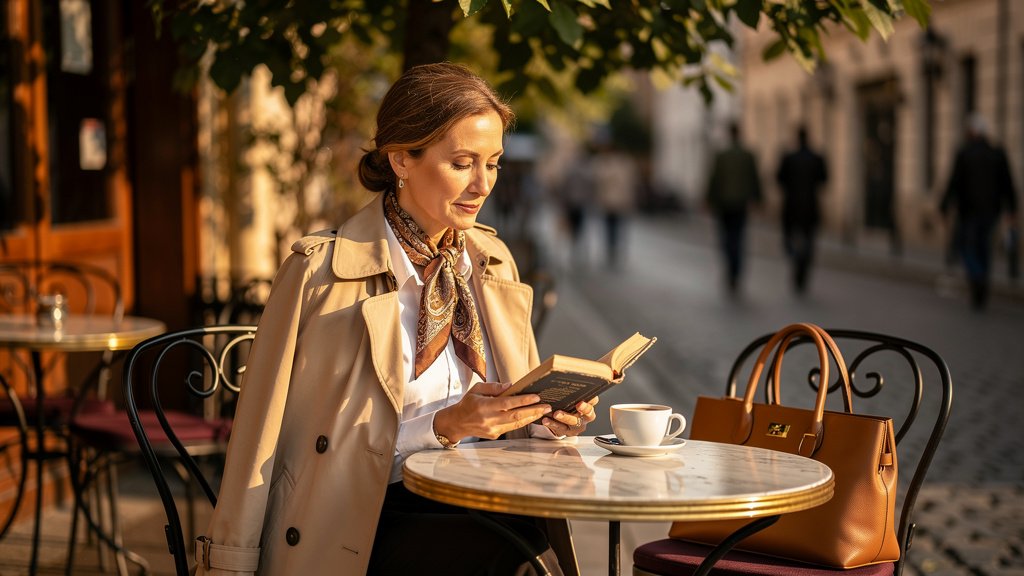
- Trench coat The single most iconic piece. Classic beige, double-breasted, with belt details.
- Silk scarf Adds instant polish to simple outfits. Patterns should be classic (herringbone, paisley, naval).
- A-line midi skirt In tweed, wool, or neutral linen. Flattering and endlessly versatile.
- Leather accessories A structured handbag in tan or black, leather loafers or ballet flats.
The color palette stays deliberately restrained: navy, cream, beige, camel, olive, charcoal, and white. These aren't boring choices they're the canvas that allows quality and silhouette to do the heavy lifting.
Types of Old Money Outfits for Women
Old money style isn't monolithic. It manifests across different contexts, from casual weekends to formal events. Understanding these variations helps you dress appropriately while maintaining the aesthetic's core principles.
The Classic Preppy Look
This is the collegiate-inspired branch of old money aesthetics. Think Ralph Lauren advertising campaigns, equestrian events, and Ivy League campuses. Key pieces include:
- Polo shirts (cotton piqué, in solid colors or subtle stripes)
- Cashmere cardigans layered over collared shirts
- Tennis skirts or pleated midi skirts
- Loafers or driving mocs
- Cable-knit sweaters
This look skews younger and more athletic while maintaining the aesthetic's core restraint. It's perfect for weekend outings, casual lunches, and country weekend getaways.
European Sophisticated
Drawing from Parisian and Milanese dressing traditions, this variation emphasizes effortless polish. The French woman old money archetype wears:
- Tailored trousers with silk blouses
- Structured handbags (think Lady Dior or classic YSL
- Silk scarves tied elegantly
- Minimalist jewelry thin gold chains, pearl studs
- Neutral-toned trench coats and wool coats
This version feels more adult, more refined, and works beautifully for professional settings and city living.
Relaxed Country Club
The most casual iteration of old money style, perfect for summer estates, golf clubs, and informal gatherings. Think:
- Linen pants and shorts
- Cotton canvas belts
- Stripped or solid cotton tees under cashmere
- White leather sneakers or canvas espadrilles
- Large straw tote bags
This approach proves that old money style isn't about formality it's about quality and restraint in every context.
How to Build Your Old Money Wardrobe: A Step-by-Step Approach
Transitioning to an old money aesthetic doesn't require a complete closet overhaul. Here's how to build your collection thoughtfully, piece by piece:
- Audit what you have. Pull everything out and evaluate fit, condition, and quality. Keep only what you'd be proud to wear to a private school reunion.
- Invest in tailoring. A $200 blazer that fits perfectly beats a $800 blazer that doesn't. Find a good tailor this is non-negotiable.
- Start with foundations. Your first purchases should be the white shirt, tailored trousers, and trench coat. These form the base for endless combinations.
- Add layers strategically. Cashmere sweaters, cardigans, and blazers come next. These are your transitional pieces.
- Build your accessories slowly. A quality leather bag or silk scarf elevates everything. Buy the best you can afford.
- Embrace the capsule mindset. Every piece should work with at least three other items in your closet. If it doesn't, reconsider the purchase.
The key is patience. Old money style isn't about buying a complete wardrobe at once it's about curating slowly, investing in quality, and letting your collection evolve naturally.
Old Money vs. New Money: Understanding the Differences
There's often confusion between old money aesthetics and other luxury trends. Here's how they compare:
The distinctions matter because they explain why old money style works. It's not about copying a look it's about adopting a philosophy. The confidence comes from knowing your cashmere sweater cost enough to matter, not from showing it off.
Styling Tips: Making Old Money Work for You
The secret to old money style isn't buying expensive things it's wearing them correctly. Here are the styling principles that separate the look from just wearing nice clothes:
Fit is everything. Your clothes should skim your body, not cling or hang loosely. This is where tailoring transforms $50 items into $500 looks. A blazer that's even slightly too big reads as sloppy, not relaxed.
Embrace restraint in accessories. One statement piece at most per outfit usually a scarf, a bag, or jewelry, never all three. The old money aesthetic is about editing, not accumulating.
Layer thoughtfully. The classic formula is button-down + cashmere sweater + blazer or coat. This creates visual depth and demonstrates an understanding of proportion.
Mind the details. Your shoes should be polished. Your bag should be in good condition. Your scarves should be tied elegantly. These small things signal the difference between trying to look rich and actually being refined.
Let quality speak. Don't explain your clothes. If someone notices your cashmere, you've worn it right. The moment you draw attention to your investments, you've missed the point.
Common Mistakes to Avoid
Even well-intentioned efforts can miss the mark. Here are the pitfalls that trip up women building old money wardrobes:
Trying too hard. The biggest mistake is overthinking. Old money style should look effortless, not calculated. If you're stressed about your outfit, it will show.
Prioritizing trends. Buying into "old money aesthetic" as a trend defeats the purpose. This style is anti-trend by definition. If you're buying something because it's currently popular, you're not thinking old money.
Ignoring fit for brand names. A well-fitted J.Crew blazer looks better than an ill-fitting Chanel piece. Fit always wins.
Over-accessorizing. More than one statement piece creates visual noise that contradicts the aesthetic's restraint. Edit down.
Skimping on quality. The old money aesthetic depends on fabric quality. Cheap cashmere looks worse than no cashmere at all. Save up for the real thing or choose alternative natural fibers.
Forgetting the lifestyle component. Old money style isn't just about clothes it's about how you carry yourself. Confidence, good posture, and gracious behavior are part of the package.
Frequently Asked Questions
What defines the old money aesthetic for women?
The old money aesthetic for women is defined by timeless, high-quality pieces in restrained colors (navy, cream, camel, white), minimal branding, impeccable tailoring, and fabrics like cashmere, silk, and fine wool. It's quiet luxury expensive without being loud, elegant without being flashy. The style suggests inherited wealth and refined taste without explicitly announcing it.
Can I achieve old money style on a budget?
Yes, with strategy. Focus on vintage and second-hand shopping for designer pieces at reduced prices. Prioritize tailoring a $30 shirt that fits perfectly beats a $300 shirt that doesn't. Choose natural fabrics over synthetic, even at lower price points. The key is investing in fewer, better pieces rather than accumulating fast fashion.
What colors should I focus on for old money outfits?
The old money palette centers on neutrals: navy, cream, beige, camel, olive, charcoal, white, and soft grey. These colors work together effortlessly and suggest refinement. Avoid bright trendy colors or bold patterns save those for accents in scarves or accessories if desired.
Do I need expensive brands for old money style?
No. The old money aesthetic is about quality and fit, not brand names. In fact, prominent logos are explicitly counter to the style. A well-tailored blazer from a department store looks more authentic than an ill-fitting designer piece. The goal is to look expensive, not to show that you spent money.
How is old money style different from quiet luxury?
Old money style and quiet luxury overlap significantly but aren't identical. Quiet luxury focuses on quality and minimalism without logos it's a broader trend that anyone can adopt. Old money style specifically references the aesthetic of inherited wealth, with roots in preppy and aristocratic dressing traditions. Think of quiet luxury as the commercial expression of old money principles.
What accessories work best with old money outfits?
Quality leather bags in classic shapes (totes, satchels, structured handbags), silk scarves, simple gold jewelry (thin chains, stud earrings, simple rings), leather belts in tan or black, and polished loafers or ballet flats. Everything should be understated and in excellent condition.
Key Takeaways
- Old money outfits for women prioritize quality, tailoring, and timeless silhouettes over trends and branding
- Essential pieces include a crisp white button-down, perfectly cut blazer, cashmere sweater, tailored trousers, trench coat, and silk scarf
- The color palette stays restrained: navy, cream, beige, camel, olive, and white
- Fit and tailoring matter more than brand names or price tags
- Accessories should be minimal one statement piece maximum per outfit
- The aesthetic is about quiet confidence, not showing off wealth
- Building an old money wardrobe is a gradual process of investing in fewer, better pieces