Body Type Quiz: Find Your Shape and Dress for Success

Body Type Quiz: Find Your Shape and Dress for Success
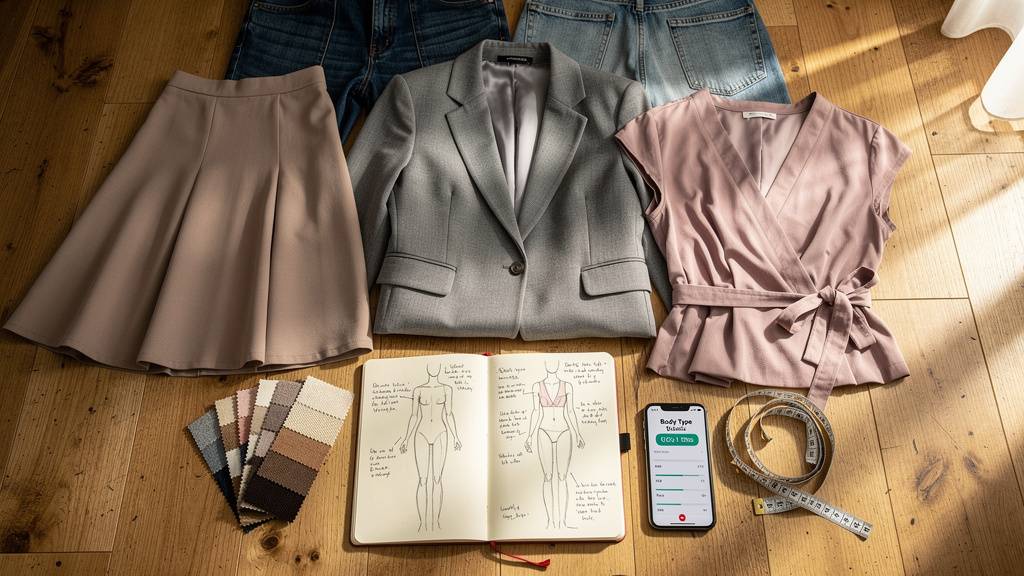
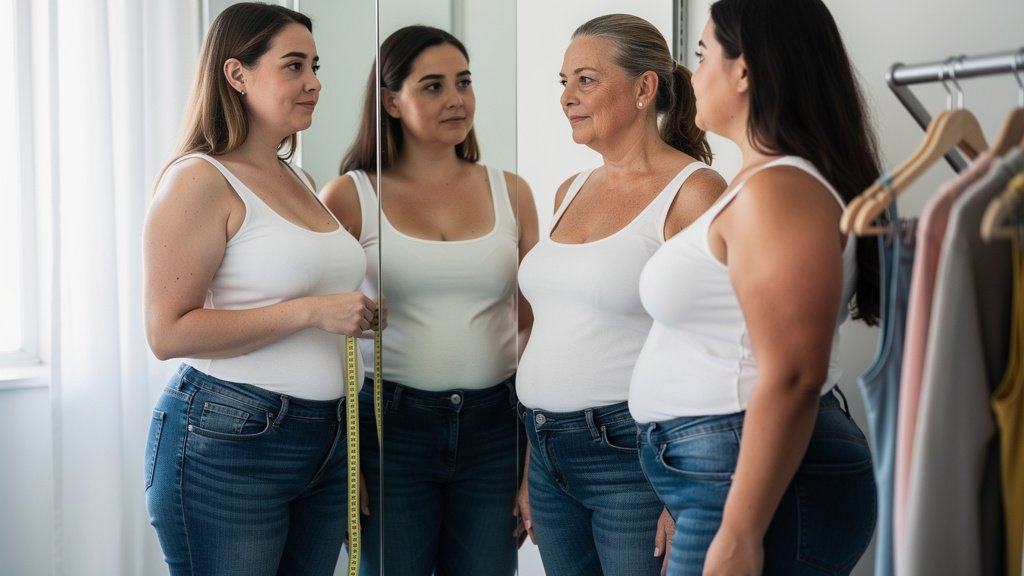
You've stood in front of the mirror, wondering why those jeans that looked perfect on the model somehow feel completely wrong on you. The answer usually isn't you it's the cut. Understanding your body type isn't about putting yourself in a box; it's about decoding why certain silhouettes flatter your unique proportions and others fall flat. A well-designed body type quiz cuts through the confusion, using your measurements and natural tendencies to point you toward cuts, fabrics, and styles that actually work with your shape rather than against it.
Whether you're shopping for your next capsule wardrobe or just tired of the endless fitting room frustration, taking a body type quiz gives you a framework for making smarter purchasing decisions. Let's break down how these quizzes work, what they measure, and how to use your results to build a closet full of pieces you'll actually wear.
What Is a Body Type Quiz?
A body type quiz is a structured assessment that analyzes your physical proportions typically your shoulders, bust, waist, and hips to determine which category best describes your silhouette. These quizzes draw from several classification systems, each developed for different purposes.
The most common system in fashion uses five primary body shapes: hourglass, pear, apple, rectangle, and inverted triangle. Another system, called somatotypes, categorizes bodies into ectomorph (lean and long), mesomorph (muscular and athletic), and endomorph (softer with a tendency to carry weight in the midsection). A third system, the Kibbe method, identifies 13 distinct style types grouped into five families: Dramatics, Naturals, Classics, Romantics, and Gamines.
The concept of somatotypes was originally developed in the 1940s to correlate body types with physical strengths and weaknesses, personality characteristics, and behavior. While evidence suggests that personality has little to do with it, the research on differences in physiques, hormonal responses, and metabolism remains relevant for fitness applications. Everyday Health
What makes a good body type quiz valuable is its ability to translate abstract styling advice into actionable recommendations. Instead of reading that "A-line skirts flatter pear shapes" and wondering if you're a pear, a quiz gives you the answer directly and the reasoning behind it.
The Main Body Type Systems Explained
Before you start clicking through quiz questions, it helps to understand the frameworks these assessments use. Here's how the most popular systems break down:
The Five Fashion Body Shapes
This is the most widely used system in retail and styling, focusing on where you carry your proportions relative to each other:
- Hourglass: Your bust and hips are roughly equal in width, with a distinctly narrower waist. Think curvy with a defined waistline.
- Pear: Your hips are wider than your shoulders, with a fuller lower body. Weight tends to settle in the hips and thighs.
- Apple: You carry weight in your midsection, with a fuller bust and rounder middle, while your legs and arms remain relatively slimmer.
- Rectangle: Your bust, waist, and hips are fairly uniform in width, creating a straighter, more athletic silhouette.
- Inverted Triangle: Your shoulders or bust are wider than your hips, creating an inverted triangular shape with a narrower lower body.
Somatotypes: The Fitness-Based System
The somatotype system originated from William Herbert Sheldon's research in the 1940s, originally intended to predict personality traits from body composition. While that connection has been largely discredited, the categories still serve as useful shorthand for metabolic tendencies and training responses:
- Ectomorph: Typically long and lean with a fast metabolism, narrow shoulders and hips, and difficulty gaining muscle or fat.
- Mesomorph: Naturally muscular with broad shoulders, narrow waists, and an athletic build. Tends to gain muscle easily.
- Endomorph: Rounder with a softer physique, tends to store fat easily, particularly in the midsection, and may struggle to lose weight.
Most people don't fit neatly into a single category. You might be an hourglass with pear-like hip proportions, or a mesomorph with an endomorphic tendency to store abdominal fat. The best quizzes acknowledge this complexity by identifying your dominant type while recognizing blended characteristics.
The Kibbe System: 13 Style Types
Developed by David Kibbe in the 1980s, this system goes beyond simple proportions to consider bone structure, facial features, and personal essence. It's more complex than other systems but offers highly personalized styling recommendations.
The 13 Kibbe types fall into five families: Dramatics (bold and angular), Naturals (relaxed and relaxed), Classics (balanced and symmetrical), Romantics (soft and curved), and Gamines (youthful and angular with mixed yin and yang energy).
How to Take a Body Type Quiz
Now that you understand the systems, here's how to actually get accurate results from a body type quiz. The most reliable quizzes combine self-reported measurements with visual self-assessment questions.
- Grab a measuring tape. You'll need accurate measurements of your bust, waist, and hips at their widest points. For shoulders, measure from shoulder point to shoulder point across your back.
- Wear minimal clothing. Form-fitting underwear or a thin t-shirt gives you the most accurate readings without bulk distorting your measurements.
- Be honest about your current body. Body type quizzes measure what you have now, not what you had five years ago or hope to have. This isn't about your goals it's about your present proportions.
- Answer visual questions thoughtfully. Questions like "Which statement describes your shape best?" require you to compare your shoulders to your hips, your waist to your bust, and your overall silhouette to the descriptions provided.
- Consider multiple quizzes. Taking a quiz based on the fashion shape system AND a somatotype quiz gives you a more complete picture than relying on a single assessment.
The Stitch Fix Body Shape Calculator, for example, uses a measurement-based approach that compares your bust, waist, and hip circumferences to determine your dominant shape. Meanwhile, quizzes like the ones on Healthline and Everyday Health focus more heavily on self-perception and tendency-based questions like "How easily do you gain or lose weight?"
I couldn't find reliable data on quiz accuracy rates across different platforms a genuine gap in the research that makes it hard to recommend one specific quiz as definitively better than others. The best approach is to take several quizzes and look for consensus in your results.
What Your Body Type Means for Your Wardrobe
Here's where the real value of knowing your body type becomes clear. Once you have your answer, you can stop guessing and start dressing with intention. Each shape has specific silhouettes that complement its proportions:
Hourglass: Your defined waist is your greatest asset. Fitted tops, wrap dresses, high-waisted bottoms, and belted outerwear celebrate your curves. Avoid boxy cuts that hide your waistline entirely.
Pear: Your hips and thighs need visual balancing with your upper body. V-neck tops, statement necklaces, and structured shoulders draw attention upward, while A-line skirts and wide-leg pants accommodate fuller hips without adding bulk.
Apple: Your middle deserves emphasis through empire waists, wrap tops, and peplum styles that create the illusion of a defined waist. Flowy fabrics and vertical details elongate your torso, while avoiding tight waistbands prevents uncomfortable bulging.
Rectangle: Your straighter silhouette benefits from layering, belting, and peplum details that create the appearance of curves. Ruffles, patterns, and texture add visual interest where your frame is more uniform.
Inverted Triangle: Your broader shoulders or bust need downward visual weight. V-necks, scoop necks, and columnar silhouettes balance your proportions, while avoiding heavy shoulder padding or bold neckline details that amplify your upper width.
Traditional advice around "hiding problem areas" is outdated. The modern approach to dressing for your body type isn't about concealment it's about highlighting your best features and creating harmonious proportions that make you feel confident.
Common Mistakes When Taking a Body Type Quiz
Even with the best intentions, several common pitfalls can lead to inaccurate results:
Using outdated measurements. Your body changes over time, and using measurements from a year ago or worse, from your peak fitness produces misleading results. Take fresh measurements for each quiz.
Confusing weight with shape. A pear shape at size 4 looks different from a pear shape at size 14, but the fundamental proportion (hips wider than shoulders) remains consistent. Don't let current weight obscure your underlying skeletal structure.
Choosing what you want rather than what you have. It's tempting to select the answer that describes your aspirational body, but that defeats the purpose. The quiz can only analyze what you actually have.
Over-relying on a single system. If you identify strongly with the Kibbe system but can't find clothes that work, the fashion shape system might serve you better for practical shopping purposes. These systems answer different questions.
Ignoring fit issues. A well-fitted garment in the wrong cut looks wrong; the same garment in a cut designed for your shape looks intentional. Body type knowledge helps you identify which cuts to try first, but fit adjustments (hemming, taking in, alterations) remain essential.
Expert Tips for Getting the Most from Your Results
Knowing your body type is just the beginning. Here's how to translate that knowledge into a smarter, more satisfying wardrobe:
- Build a capsule foundation first. Once you know your shape, invest in 2-3 key pieces in cuts that flatter your proportions. These become your uniform templates you can always add trend pieces later.
- Learn the alterations that work for you. A good tailor can make a standard garment look custom-made for your body. Know which alterations are worth the investment (hemming, taking in waistbands) and which aren't (major restructuring).
- Use the "white t-shirt test."strong> Try the same basic white t-shirt in different cuts to understand what works. This baseline experiment teaches you more about your proportions than any quiz.
- Challenge the rules occasionally. Once you know what "should" work, try one piece that breaks the convention. You might discover unexpected favorites or confirm why the guidelines exist.
- Reassess seasonally. Your body changes, and so do clothing trends. Revisit your body type assessment once a year or after significant lifestyle changes.
Stitch Fix's stylists emphasize that "learning how to identify and dress for your body shape can simplify daily closet decisions and build your style confidence" but they also caution that these guidelines are just a starting point. If you love something, wear it. The rules exist to serve you, not the other way around.
Body Type Quiz FAQs
How accurate are body type quizzes?
Body type quizzes provide useful frameworks rather than medical diagnoses. The most accurate quizzes combine precise measurements with self-assessment questions, but they can't account for every individual variation. Most people find they align strongly with 2-3 categories rather than fitting perfectly into one. Think of your result as a helpful starting point rather than a definitive label.
Can my body type change over time?
Yes your body type can shift with weight changes, aging, muscle development, and hormonal shifts. A pear shape might become more hourglass with strength training; an ectomorph might develop more curves through targeted nutrition. Your body type quiz result reflects your current state, so reassess periodically, especially after significant lifestyle changes.
What's the difference between body shape and somatotype?
Body shape (fashion system) focuses on visible proportions where your widest and narrowest points fall relative to each other. Somatotype focuses on metabolic tendencies and muscle/fat distribution patterns. You can be a pear shape who tends toward endomorphic weight storage, or a rectangle with mesomorphic muscle-building potential. Both systems offer value; they simply answer different questions.
Which body type system should I use for shopping?
The five-shape fashion system (hourglass, pear, apple, rectangle, inverted triangle) translates most directly to retail shopping because most clothing is designed with these proportions in mind. Use this system for everyday wardrobe decisions. Reserve somatotypes for fitness and nutrition planning, and explore Kibbe if you're deeply invested in developing a personalized style identity.
What if I don't fit into any category?
Most people don't fit perfectly into a single category you're likely a blend of two shapes. Common combinations include hourglass-pear, rectangle-apple, or inverted triangle with hourglass tendencies. Look for the dominant characteristic and dress for that, making adjustments where your secondary traits show up. The goal is guidance, not rigid classification.
Do men need to take body type quizzes?
Absolutely. While most popular quizzes focus on female fashion, men have proportional variations too broad shoulders relative to hips, narrower waists, broader hips, or more uniform "straight" builds. The same principles apply; the challenge is finding resources specifically designed for male proportions. Some fitness-focused somatotype quizzes include male-specific questions.
Key Takeaways
- Body type quizzes use your measurements and proportions to place you in categories that predict which clothing cuts will flatter your shape.
- The three main systems fashion shapes, somatotypes, and Kibbe serve different purposes and offer different levels of complexity.
- Take multiple quizzes and compare results; look for consensus rather than relying on a single assessment.
- Use your results as a starting point for shopping, not a strict rulebook if you love something that "shouldn't" work, wear it anyway.
- Reassess your body type periodically as your body changes with age, fitness, and lifestyle.
- Alterations are your friend knowing your shape helps you know which pieces are worth the tailor visit.
- The goal isn't to fit into a box but to build confidence through understanding what actually works for your unique proportions.